• Skip to primary navigation
  • Skip to main content

Data Nuggets

Bringing authentic research and data into K-16 classrooms

  • Facebook
  • Twitter
  • RSS
  • email
  • Home
  • What are Data Nuggets?
    • HISTORY OF DATA NUGGETS
    • USING THE TEACHER GUIDE
    • DATA NUGGETS IN THE CLASSROOM
    • SCIENCE STANDARDS
    • PERMITTED USES
  • Current Data Nuggets
    • VIEW IN SEARCHABLE TABLE
    • BY MATH & SCIENCE CONCEPTS
    • VIEW ON MAP
    • DIGITAL DATA NUGGETS
    • DATAVERSIFY
    • DATA NUGGETS EN ESPAÑOL
  • MAKING A DATA NUGGET
    • FOR SCIENTISTS & AUTHORS
    • TELLING YOUR SCIENCE STORY
    • MEET THE SCIENTISTS!
  • Resources
    • PROFESSIONAL DEVELOPMENT
    • MATH & SCIENCE CONCEPTS
    • DATASETS & VISUALIZATION TOOLS
    • OTHER EDUCATION WEBSITES
  • Research & News
    • PUBLICATIONS & FUNDING
    • DATA NUGGETS BLOG
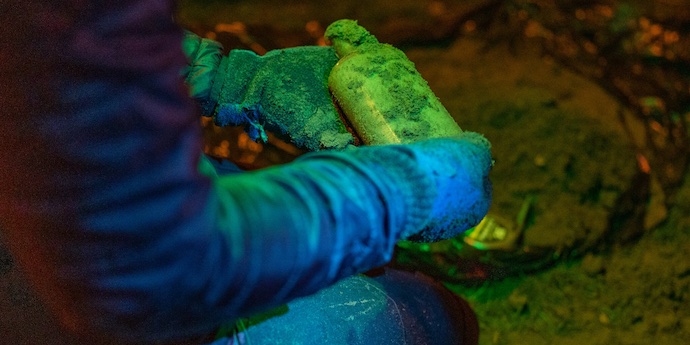
  • Buried seeds, buried treasure
    Featured Data Nugget: Over 100 years ago, a scientist buried bottles filled with seeds, and left a map for future scientists to dig them up.
  • When whale I see you again
    Featured Data Nugget: People have hunted whales for over 5,000 years for their meat, oil, and blubber. Today, as populations are struggling to recover, they are faced with additional challenges due to climate change.
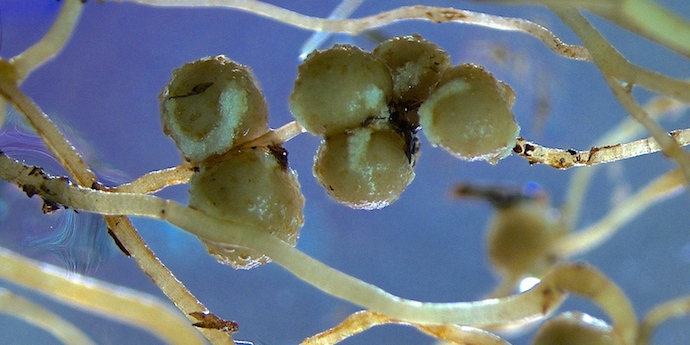
  • Cheaters in nature
    Featured Data Nugget: When is a mutualism not a mutualism? Under certain environmental conditions, such as soils with high nitrogen, Rhizobia may become parasites to plants.
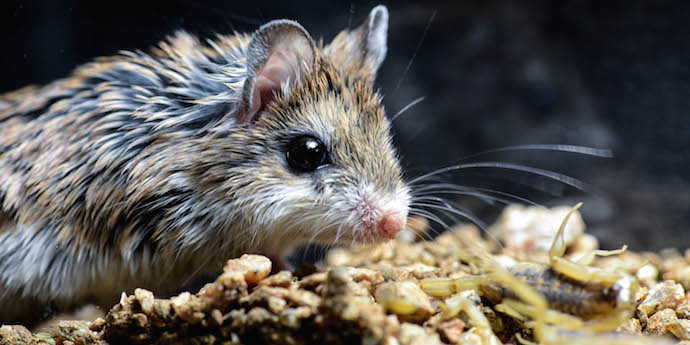
  • A tail of two scorpions
    Featured Data Nugget: Grasshopper mice feed on two different species of scorpions - one with a painful sting and one that is painless. Will the mice choose to avoid the scorpions with the painful sting?
  • All washed up
    Featured Data Nugget: Floods are common events in streams with potentially beneficial and harmful effects on fish populations, like the cutthroat trout.
  • The birds of Hubbard Brook
    Featured Data Nugget: The Hubbard Brook Experimental Forest is home to the one of the longest running bird studies ever conducted! What can we learn about migratory bird populations from this unique long-term dataset?
  • Why are butterfly wings so colorful?
    Featured Data Nugget: Big wings allow butterflies to fly everywhere with ease. But you may wonder, why are the wings of some species so brightly colored?
  • Hold on for your life
    Featured Data Nugget: Extreme climate events, like hurricanes, are becoming more frequent and severe. When a hurricane hit the Caribbean, scientists seized the opportunity to observe natural selection by hurricanes.
  • Coral bleaching and climate change
    Featured Data Nugget: The world's coral reefs are home to a large diversity of plants and animals, and are threatened by climate change. When the water gets too warm, some corals bleach and some can survive.
  • Growing energy
    Featured Data Nugget: Corn is used to produce most of the biofuels that humans consume today, but it does not make a good habitat for wildlife. Can diverse prairies serve as a viable alternative?
  • What do trees know about rain?
    Featured Data Nugget: What can tree rings tell us about the past climate of Australia, and whether current weather patterns are changing due to climate change?
  • City parks
    Featured Data Nugget: Today more and more people are moving from rural to urban areas. This means that cities are becoming the primary places where many people experience nature and interact with wildlife.
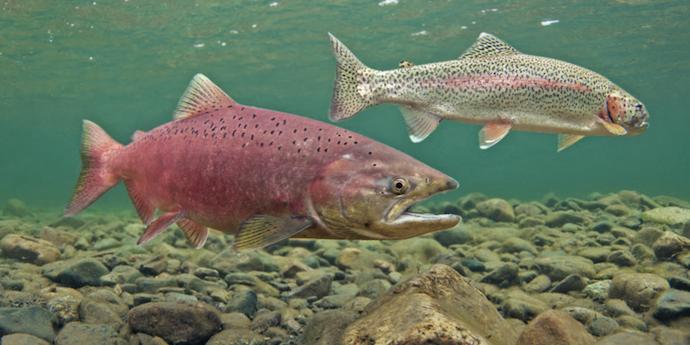
  • Salmon in hot water
    Featured Data Nugget: Climate change is causing waters to warm, and species will need to adapt to survive. Do salmon have the genes necessary to survive in these new conditions?
  • How to escape a predator
    Featured Data Nugget: Stalk-eyed flies have their eyes at the tip of eyestalks on the sides of their heads. Males with longer eyestalks are better at attracting mates, but they also come at a cost.
  • New to Data Nuggets?
  • For Educators
  • For Scientists
  • Make your own Data Nugget
  • Permitted Uses

DATA NUGGETS ARE FREE ACTIVITIES, DESIGNED BY SCIENTISTS AND TEACHERS, THAT BRING AUTHENTIC RESEARCH AND DATA INTO K-12 AND UNDERGRADUATE CLASSROOMS.

Founded in 2011, Data Nuggets feature contemporary scientists and real datasets from their research. In each quantitative reasoning activity, students engage in the practices of science, including identifying hypotheses and predictions, visualizing and interpreting data, supporting claims using data as evidence, and asking their own questions. These short, targeted activities can be embedded in typical instruction to infuse data literacy and the nature of science into K-12 and undergraduate classrooms. Research into Data Nuggets show they increase student interest in STEM careers, and humanized scientists help all students relate to role models and increase engagement. Students using Data Nuggets are more confident in their ability to use data, and are better able to use data as evidence when constructing scientific explanations. They are funded by the Kellogg Biological Station Long Term Ecological Research Program and National Science Foundation.

Recent News & Events

Paul Strode standing in front of chalkboard with his seminar title "Getting Students to Think, Talk, and Write Like Scientists".

Paul Strode visits KBS for Seminar on how he helps students think, write, and talk like scientists

Jenison Fund at MSU supports Data Nuggets after NSF terminates grant

Liz Schultheis headshot.

Elizabeth Schultheis awarded fellowship to tackle science misconceptions

More Posts from this Category

Contact Us

Please email Liz and Melissa at datanuggetsK16@gmail.com if you have any questions or feedback. We welcome all information on how they performed in your classroom with your students! We are continually refining our resources and releasing new Data Nuggets. If you would like to create your own, include Data Nuggets as a broader impact in an upcoming grant, or are using Data Nuggets in your classroom for the first time, let us know and we can help get you started!

Partners & Support

  • 1
  • 2
  • 3

Data Nuggets by theme

adaptation agriculture algae animals arctic behavior biodiversity birds carbon chemistry climate change community science competition disturbance DNA ecology environmental evolution fertilization fish genes greenhouse gasses herbivory insects invasive species long-term marine mating microbes mutualism nitrogen parasitism phosphorus photosynthesis plants prairie predation restoration soil substrate temperature tradeoff urban water wetland

Copyright © 2026

  • National Science Foundation logo
  • Michigan State University logo
  • Kellogg Biological Station logo