


In Part I you explored data that showed monarchs prefer to lay their eggs on young milkweeds that have been mowed, compared to older milkweed plants. But, is milkweed age the only factor that was changed when Britney and Gabe mowed patches of milkweeds? You will now examine whether mowing also affected the presence of
predation
Which would a woodlouse prefer?
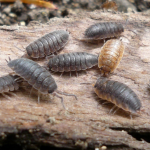
The activities are as follows: Teacher Guide Student activity, Graph Type A, Level 2 Student activity, Graph Type B, Level 2 Student activity, Graph Type C, Level 2 PowerPoint of images Grading Rubric Digital Data Nugget on DataClassroom Woodlice are small crustaceans that live on land. They look like bugs, but are actually more closely related to
Is it better to be bigger?
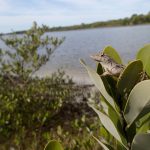
The activities are as follows: Teacher Guide Student activity, Graph Type A, Level 3 Student activity, Graph Type B, Level 3 Student activity, Graph Type C, Level 3 PowerPoint of images and graphs Grading Rubric Digital Data Nugget on DataClassroom When Charles Darwin talked about the “struggle for existence” he was making the observation that many
Is it dangerous to be a showoff?
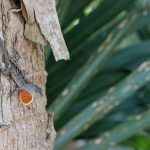
The activities are as follows: Teacher Guide Student activity, Graph Type A, Level 3 Student activity, Graph Type B, Level 3 Student activity, Graph Type C, Level 3 PowerPoint of images and graphs Grading Rubric Natural selection happens when differences in traits within a population give some individuals a better chance of surviving and reproducing than
Why are butterfly wings colorful?
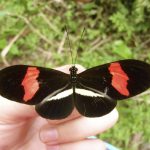
The activities are as follows: Teacher Guide Student activity, Graph Type A, Level 3 Student activity, Graph Type B, Level 3 Student activity, Graph Type C, Level 3 Grading Rubric Scientist Profile: Adriana Briscoe Digital Data Nugget on DataClassroom Éste Data Nugget también está disponible en Español: Actividad para estudiantes, Tipo de gráfica A Actividad para
How to escape a predator

The activities are as follows: Teacher Guide Student Activities, Graph Types A-C, Level 3 Grading Rubric, CER Tool, and Other Resources Stalk-eyed flies are insects that have their eyes on the ends of eyestalks, or long projections from the sides of their head. Eyestalks are a sexual signal that males use to attract females. The longer the
A tail of two scorpions
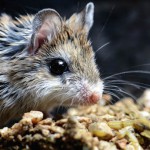
The activities are as follows: Teacher Guide Student activity, Graph Type A, Level 2 Student activity, Graph Type B, Level 2 Student activity, Graph Type C, Level 2 Powerpoint of Images Grading Rubric Digital Data Nugget on DataClassroom Animals have evolved many ways to defend themselves against predators. Many species use camouflage to avoid being seen.
Shooting the poop
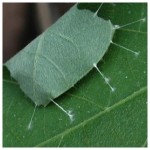
The activities are as follows: Teacher Guide Student activity, Graph Type A, Level 2 Student activity, Graph Type B, Level 2 Student activity, Graph Type C, Level 2 Grading Rubric Imagine walking through a forest in the middle of summer. You can hear birds chirping, a slight breeze rustling the leaves, and a faint pinging noise
Dangerous Aquatic Prey: Can Predators Adapt to Toxic Algae?

The activities are as follows: Teacher Guide Student activity, Graph Type A, Level 4 Student activity, Graph Type B, Level 4 Student activity, Graph Type C, Level 4 Grading Rubric Phytoplankton are microscopic algae that form the base of all aquatic food chains. While organisms can safely eat most phytoplankton, some produce toxins. When these toxic algae
Dangerously bold
The activities are as follows: Teacher Guide Student activity, Graph Type A, Level 1 Student activity, Graph Type B, Level 1 Student activity, Graph Type C, Level 1 Grading Rubric Digital Data Nugget on DataClassroom Just as each person has her or his own personality, animals of the same species can behave very differently from one another!