


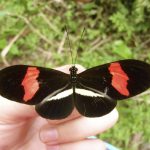
The activities are as follows: Teacher Guide Student activity, Graph Type A, Level 3 Student activity, Graph Type B, Level 3 Student activity, Graph Type C, Level 3 Grading Rubric Scientist Profile: Adriana Briscoe Digital Data Nugget on DataClassroom Éste Data Nugget también está disponible en Español: Actividad para estudiantes, Tipo de gráfica A Actividad para
animals
To bee or not to bee aggressive
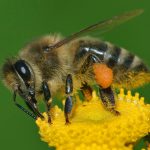
The activities are as follows: Teacher Guide Student activity, Graph Type A, Level 3 Student activity, Graph Type B, Level 3 Student activity, Graph Type C, Level 3 Grading Rubric Digital Data Nugget on DataClassroom Honey bees are highly social creatures that live in large colonies of about 40,000 individuals and one queen. Every member of
Deadly windows
The activities are as follows: Teacher Guide Student activity, Graph Type A, Level 2 Student activity, Graph Type B, Level 2 Student activity, Graph Type C, Level 2 Grading Rubric Glass makes for a great windowpane because you can see right through it. However, the fact that windows are see-through makes them very dangerous for birds.
Sticky situations: big and small animals with sticky feet
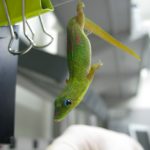
The activities are as follows: Teacher Guide Student Activity, Level 4 Scaling Up – Math Activity, Student Version Grading Rubric Species are able to do so many amazing things, from birds soaring in the air, lizards hanging upside-down from ceilings, and trees growing hundreds of feet tall. The study of biomechanics looks at living things from an engineering
Are you my species?
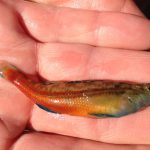
The activities are as follows: Teacher Guide Student activity, Graph Type A, Level 3 Student activity, Graph Type B, Level 3 Student activity, Graph Type C, Level 3 Grading Rubric Digital Data Nugget on DataClassroom What is a species? The biological species concept says species are groups of organisms that can mate with each other but
When a species can’t stand the heat
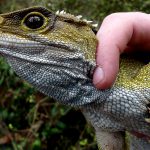
The activities are as follows: Teacher Guide Student activity, Graph Type A, Level 3 Student activity, Graph Type B, Level 3 Student activity, Graph Type C, Level 3 Grading Rubric Digital Data Nugget on DataClassroom Tuatara are a unique species of reptile found only in New Zealand. Tuatara look like lizards but they are actually in
Finding Mr. Right
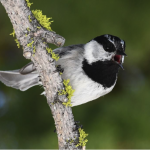
The activities are as follows: Teacher Guide Student activity, Graph Type A, Level 4 Student activity, Graph Type B, Level 4 Student activity, Graph Type C, Level 4 Grading Rubric Depending on where they live, animals can face a variety of challenges from the environment. For example, animal species that live in cold environments may have adaptive
Why so blue? The determinants of color pattern in killifish, Part II
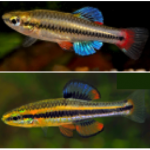
In Part 1, you examined the effects of genetics and environment on anal fin color in male bluefin killifish. The data from Becky’s experiment showed that both genetics and environment work together to determine whether male offspring had blue, yellow, or red anal fins. You will now examine how the father’s genetics, specifically their fin
Why so blue? The determinants of color pattern in killifish, Part I
The activities are as follows: Teacher Guide Student activity, Graph Type A, Level 4 Student activity, Graph Type B, Level 4 Student activity, Graph Type C, Level 4 Reading Activity Grading Rubric In nature, animals can be found in a dazzling display of different colors and patterns. Color patterns serve as signals to members of the animal’s
Bon Appétit! Why do male crickets feed females during courtship?
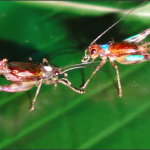
The activities are as follows: Teacher Guide Student activity, Graph Type A, Level 4 Student activity, Graph Type B, Level 4 Student activity, Graph Type C, Level 4 Scientist Profile on Project Biodiversify Grading Rubric Digital Data Nugget on DataClassroom In many species of insects and spiders, males provide females with gifts of food during courtship and mating. This