


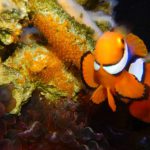
The activities are as follows: Teacher Guide Student activity, Graph Type A, Level 3 Student activity, Graph Type B, Level 3 Student activity, Graph Type C, Level 3 PowerPoint of Images Scientist Profile on Project Biodiversify Grading Rubric When animals are born, some offspring are able to survive on their own, while others rely on parental
animals
How do brain chemicals influence who wins a fight?
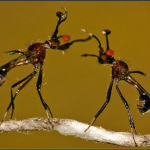
The activities are as follows: Teacher Guide Student activity, Graph Type A, Level 2 Student activity, Graph Type B, Level 2 Student activity, Graph Type C, Level 2 Grading Rubric In nature, animals compete for resources. These resources include space, food, and mates. Animals use aggression as a way to capture or defend these resources, which
Beetle battles
The activities are as follows: Male animals spend a lot of time and energy trying to attract females. In some species, males directly fight with other males to become socially dominant. They also fight to take over and control important territories. This process is known as male-male competition. The large antlers of male elk are an
Feral chickens fly the coop

The activities are as follows: Teacher Guide Student activity, Graph Type A, Level 3 Student activity, Graph Type B, Level 3 Student activity, Graph Type C, Level 3 Grading Rubric When domesticated animals that humans keep in captivity escape into the wild, we call them feral. You may have seen feral animals, such as pigeons, cats,
How the cricket lost its song, Part II

In Part I you determined that the Kauai flatwing mutation led to a decrease in parasitism rates for male crickets. Today, most of the male crickets on Kauai have evolved flat wings and can no longer produce songs that were previously used to attract female crickets. Without their songs, how do males attract females? The activities are as
Make way for mummichogs
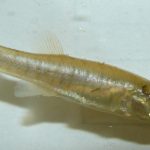
The activities are as follows: Teacher Guide Student activity, Graph Type A, Level 4 Student activity, Graph Type B, Level 4 Student activity, Graph Type C, Level 4 Powerpoint – Views of the marsh and experiment Grading Rubric Salt marshes are important habitats and contain a wide diversity of species. These ecosystems flood with salt water during
The birds of Hubbard Brook, Part II
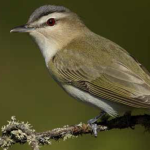
In Part I, you examined patterns of total bird abundance at Hubbard Brook Experimental Forest. These data showed bird numbers at Hubbard Brook have declined since 1969. Is this true for every species of bird? You will now examine data for four species of birds to see if each of these species follows the same
The birds of Hubbard Brook, Part I

The activities are as follows: Teacher Guide Student activity, Graph Type A, Level 2 Student activity, Graph Type B, Level 2 Student activity, Graph Type C, Level 2 Grading Rubric PowerPoint of images Digital Data Nugget on DataClassroom The Hubbard Brook Experimental Forest is an area where scientists have collected ecological data for many years. It
Does sea level rise harm Saltmarsh Sparrows?
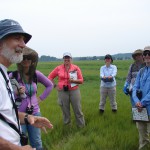
The activities are as follows: Teacher Guide Student activity, Graph Type A, Level 3 Student activity, Graph Type B, Level 3 Student activity, Graph Type C, Level 3 Grading Rubric For the last 100 years, sea levels around the globe have increased dramatically. The cause of sea level rise has been investigated and debated. Data from
CSI: Crime Solving Insects
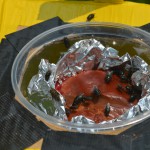
The activities are as follows: Teacher Guide Student activity, Graph Type A, Level 3 Student activity, Graph Type B, Level 3 Student activity, Graph Type C, Level 3 Grading Rubric Digital Data Nugget on DataClassroom Most people think that maggots are gross, but they are important decomposers in many ecosystems. Without maggots and other decomposers, we