


The activities are as follows:
- Teacher Guide
- Student Activities, Graph Types A-C, Level 4
- Grading Rubric, CER Tool, and Other Resources
When winter gets cold, people adjust by putting on coats or staying indoors. While we can hide from the cold, plants cannot. Most plants are rooted to the place they started growing. This means they need their own strategies to survive freezing. When a strategy helps plants survive and reproduce in their environment, they pass on their genes to the next generation. These strategies are called adaptations.
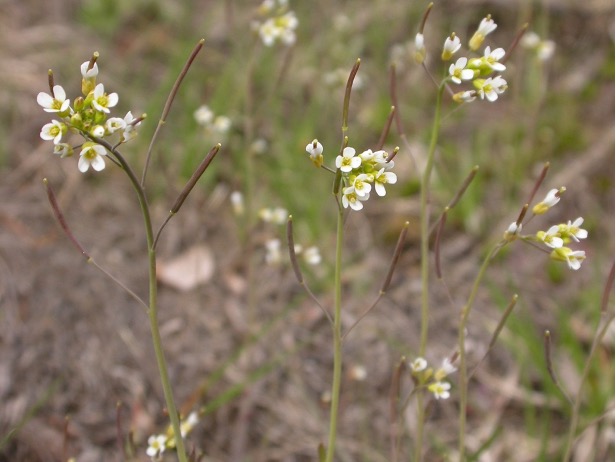
Christopher is a plant biologist who is really excited about understanding adaptations. He also loves to travel, so when he had the opportunity to do field work to study adaptations in Italy and Sweden over 15 years ago, he jumped at the chance. He started working with mouse-ear cress, a tiny plant that grows in many places around the world. Some populations live in cold climates, while others grow in warmer places. Christopher wanted to understand how this single plant species can survive in such different environments. To do so, he compares plants from two populations that live in very different climates.
One major difference between the climates is the severity of the winter. Christopher thought that the plant populations in Sweden have likely adapted to survive freezing temperatures because they have experienced cold winters. On the other hand, plants from Italy usually experience milder winters, so the populations there have not developed the same ability to survive freezing temperatures. Plants that survive and produce a lot of seeds contribute more to the next generation. Plants are locally adapted when they grow and survive better in their home environment than plants of the same species from a different location.
When Christopher began studying how plants adapt to their local environments, he collected seeds from two groups of mouse-ear cress: one from Italy and one from Sweden. He grew the seeds in a lab. After 9 days, he took the young plants outside and planted both Italian and Swedish seedlings at each location in the fall. In the spring, he counted how many plants survived and how many seeds they produced. He found that plants grew and reproduced better in their own local environment than plants brought from far away.
Next, Christopher wanted to find out whether the plants’ ability to survive freezing temperatures helped explain these differences. He grew plants from both populations in a lab and tested how many survived freezing temperatures. As expected, more Swedish plants survived freezing than Italian plants.
But this raised another question: If Swedish plants are better at surviving cold winters, why did they do worse than Italian plants when they were grown in the warmer climate? One possible explanation is that adaptations that help survive freezing temperatures come with a cost. In this case, the cost might be slower growth. Christopher and his team of scientists wanted to test the idea that Swedish plants put more energy into preparing for winter than growing in the fall, causing them to be smaller.
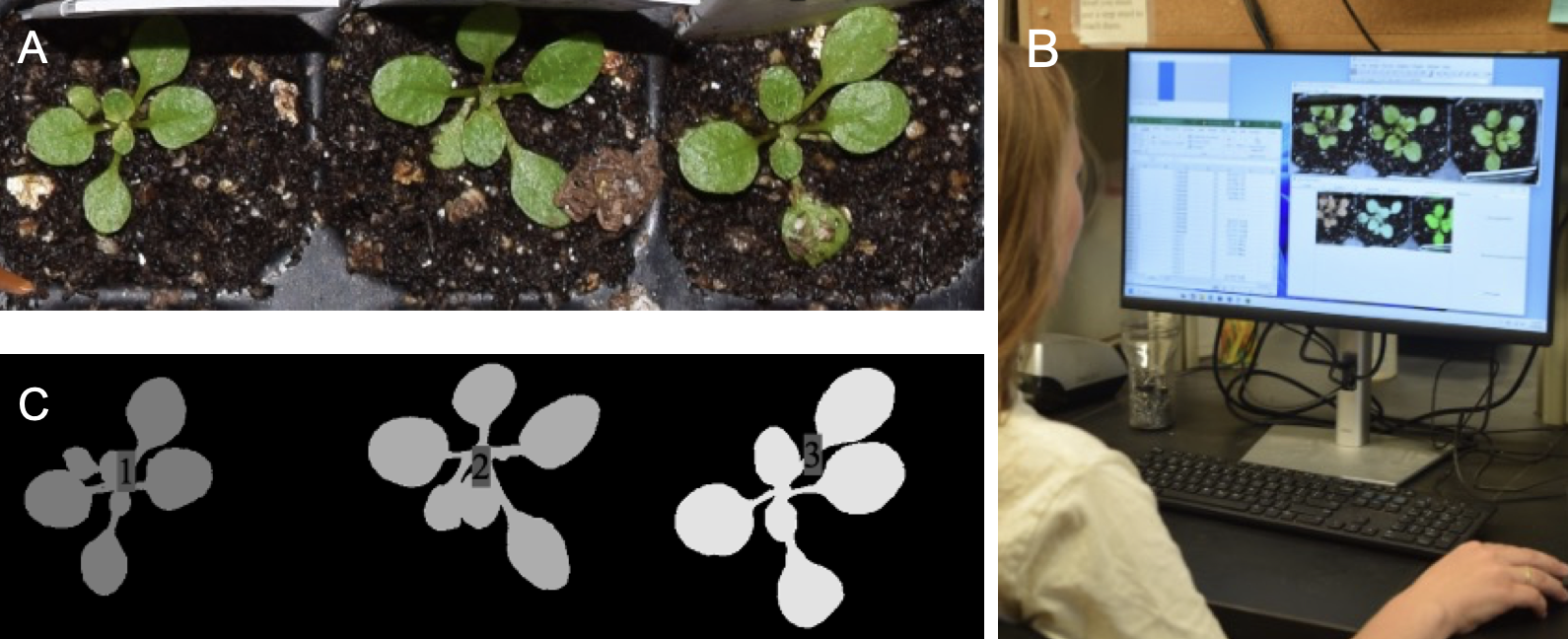
Again, Christopher’s team grew seeds from Sweden and Italy in the lab. This time, they grew the plants in a chamber where they could control the temperature and amount of light. They programmed the conditions to be similar to fall in Sweden. Christopher’s team took photos of the plants six times as the fall conditions in the chambers changed. The first photos were taken on day 8, when temperatures were still warm and the plants had not yet started preparing for the cold. As the temperature dropped and the days became shorter, photos were taken every 7-10 days. The final photos were taken before temperatures dropped below freezing.
After the study, Christopher’s team used a computer program to measure the size of each plant at each timepoint. This allowed the researchers to track how much the plants grew over time. They expected both populations to grow, especially early in the fall. However, they thought the Italian plants would grow more because they are putting more energy into growth, while the Swedish plants put more energy into preparing for winter.
Featured scientist: Christopher Oakley from Purdue University. Written with Emily Lancaster from Purdue University.