


The activities are as follows: Teacher Guide Student activity, Graph Type A, Level 3 Student activity, Graph Type B, Level 3 Student activity, Graph Type C, Level 3 Grading Rubric Throughout history people have settled mainly along rivers and streams. Easy access to water provides resources to support many people living in one area. In the
ecology
Is your salt marsh in the zone?
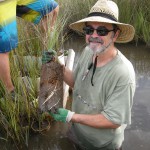
The activities are as follows: Teacher Guide Student activity, Graph Type A, Level 3 Student activity, Graph Type B, Level 3 Student activity, Graph Type C, Level 3 Grading Rubric Tides are the rise and fall of ocean water levels, and happen every day like clockwork. Gravity from the moon and sun drive the tides. There
Invasion meltdown

The activities are as follows: Teacher Guide Student activity, Graph Type A, Level 3 Student activity, Graph Type B, Level 3 Student activity, Graph Type C, Level 3 Grading Rubric Humans are changing the earth in many ways. First, by burning fossil fuels and adding greenhouse gasses to the atmosphere we are causing climate change, or
Urbanization and estuary eutrophication

The activities are as follows: Teacher Guide Student activity, Graph Type A, Level 4 Student activity, Graph Type B, Level 4 Student activity, Graph Type C, Level 4 Grading Rubric An estuary is a habitat formed where a freshwater river or stream meets a saltwater ocean. Many estuaries can be found along the Atlantic coast of
Can a salt marsh recover after restoration?

The activities are as follows: Teacher Guide Student activity, Graph Type A, Level 2 Student activity, Graph Type B, Level 2 Student activity, Graph Type C, Level 2 Grading Rubric Éste Data Nugget también está disponible en Español: Actividad para estudiantes, Tipo de gráfica A Actividad para estudiantes, Tipo de gráfica B Actividad para estudiantes, Tipo
Springing forward
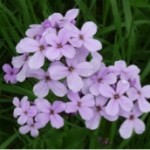
The Reading Level 1 activities are as follows: Teacher Guide, Level 1 Student activity, Graph Type A, Level 1 Student activity, Graph Type B, Level 1 Student activity, Graph Type C, Level 1 Grading Rubric The Reading Level 3 activities are as follows: Teacher Guide, Level 3 Student activity, Graph Type A, Level 3 Student activity, Graph Type
Marvelous mud

The activities are as follows: Teacher Guide Student activity, Graph Type A, Level 2 Student activity, Graph Type B, Level 2 Student activity, Graph Type C, Level 2 PowerPoint of research images Grading Rubric The goopy, mucky, often stinky mud at the bottom of a wetland or lake is a very important part of the ecosystem. Wetland
Is chocolate for the birds?
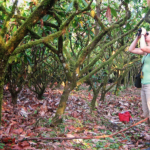
The activities are as follows: Teacher Guide Student activity, Graph Type A, Level 2 Student activity, Graph Type B, Level 2 Student activity, Graph Type C, Level 2 Grading Rubric Digital Data Nugget on DataClassroom About 9,000 years ago humans invented agriculture as a way to grow enough food for people to eat. Today, agriculture happens all
Finding a Foothold

The activities are as follows: Teacher Guide Student activity, Graph Type A, Level 2 Student activity, Graph Type B, Level 2 Student activity, Graph Type C, Level 2 Grading Rubric Have you ever noticed that the ground at a beach has rocks of many different sizes? These rocks, sand, and dirt are all called substrates. The types
Do invasive species escape their enemies?
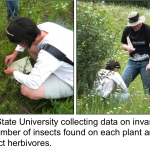
The activities are as follows: Teacher Guide Student activity, Graph Type A, Level 2 Student activity, Graph Type B, Level 2 Student activity, Graph Type C, Level 2 Grading Rubric Invasive species, like zebra mussels and garlic mustard, are species that have been introduced by humans to a new area. Where they invade they cause harm.