The activities are as follows:
- Teacher Guide
- Student activity, Graph Type A, Level 2
- Student activity, Graph Type B, Level 2
- Student activity, Graph Type C, Level 2
- Grading Rubric
Climate change is causing Earth’s average temperature to rise, but warming is not the only change happening. Climate change can affect many parts of an ecosystem at the same time. For example, in the Rocky Mountains, temperatures are getting warmer, and the climate is also getting drier. This means that summers have more hot and dry periods, while winters are bringing less snow. Warmer temperatures and less snowfall cause the snow to melt earlier in the spring.
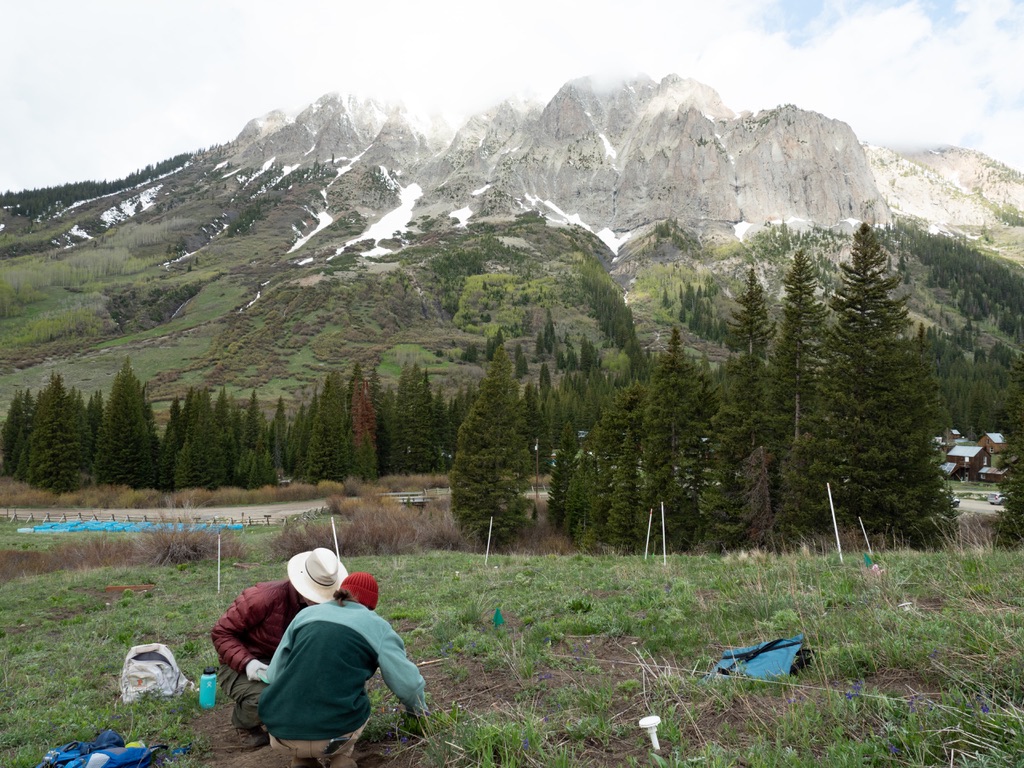
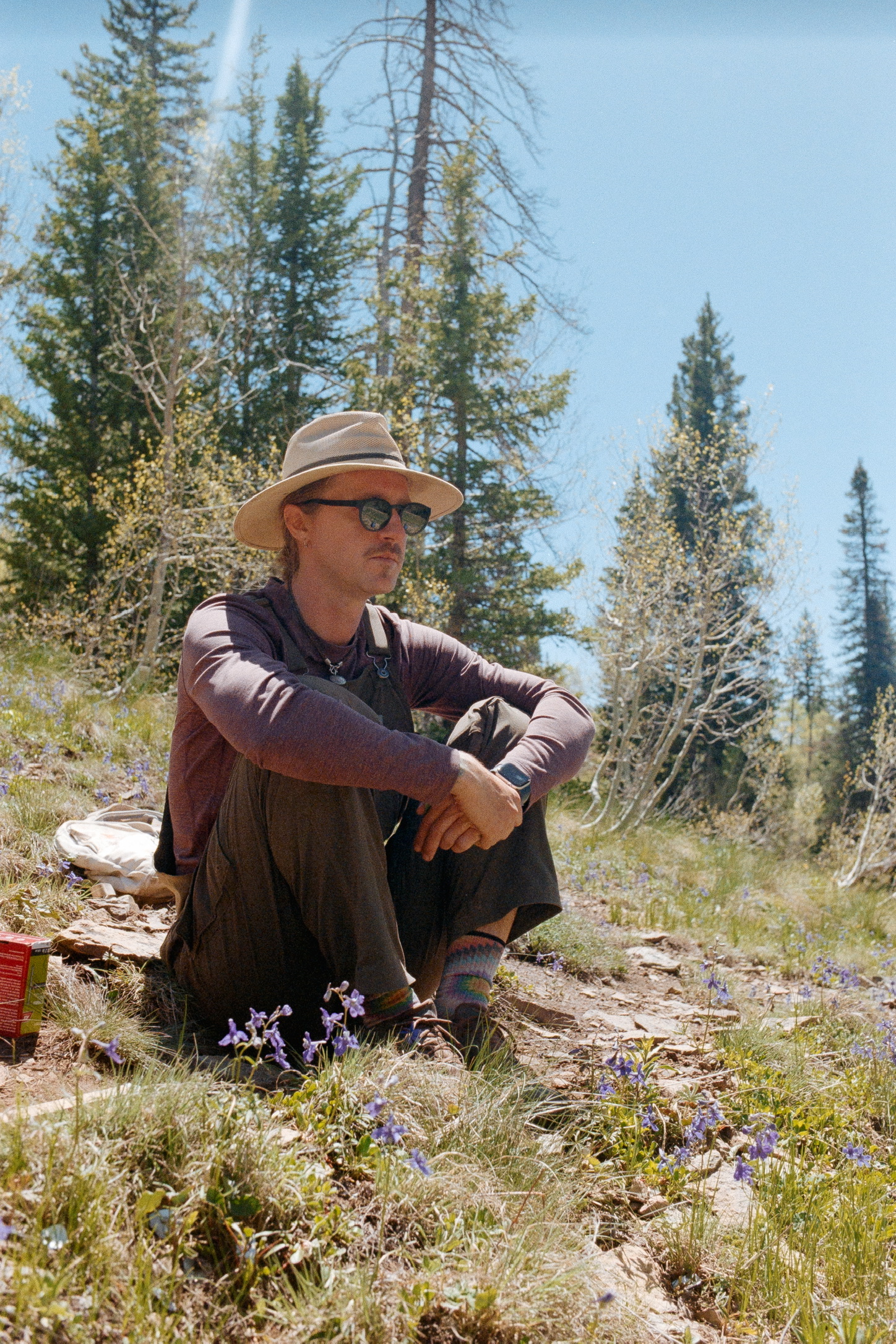
Amy and Dylan are two scientists working in the Rocky Mountains. They are studying plant phenology, or seasonal timing of events related to growth and reproduction. Visiting year after year, Amy and Dylan noticed dramatic springtime changes. They were able to observe these differences with their own eyes, before they took a scientific approach.
To support their observations, they turned to historic long-term datasets. They confirmed three important patterns. First, since the 1970s, plants are flowering earlier. Second, over the same time frame, snow is melting earlier and exposing bare ground. Finally, the date that plants are flowering is strongly related to snowmelt date. This suggests that snowmelt date might be a cause of earlier flowering. However, these datasets were also a collection of observations over time. Observations alone cannot prove snow melt is causing earlier flowering. There are too many factors that are changing at the same time.
To tease apart what is going on, Amy and Dylan needed to design an experiment. A carefully designed experiment can isolate factors that may be affecting a variable while controlling other conditions. Amy and Dylan thought that plants rely on the timing of snowmelt as a cue for their phenology.
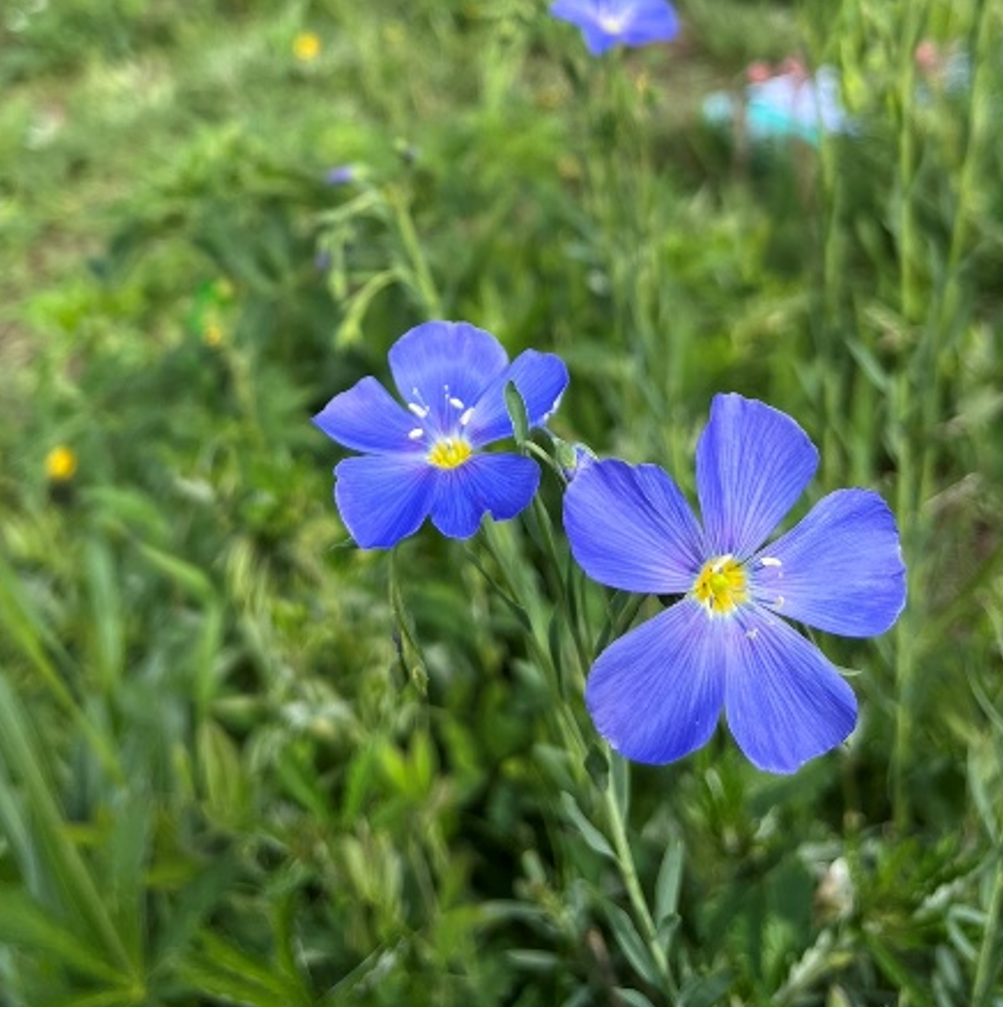
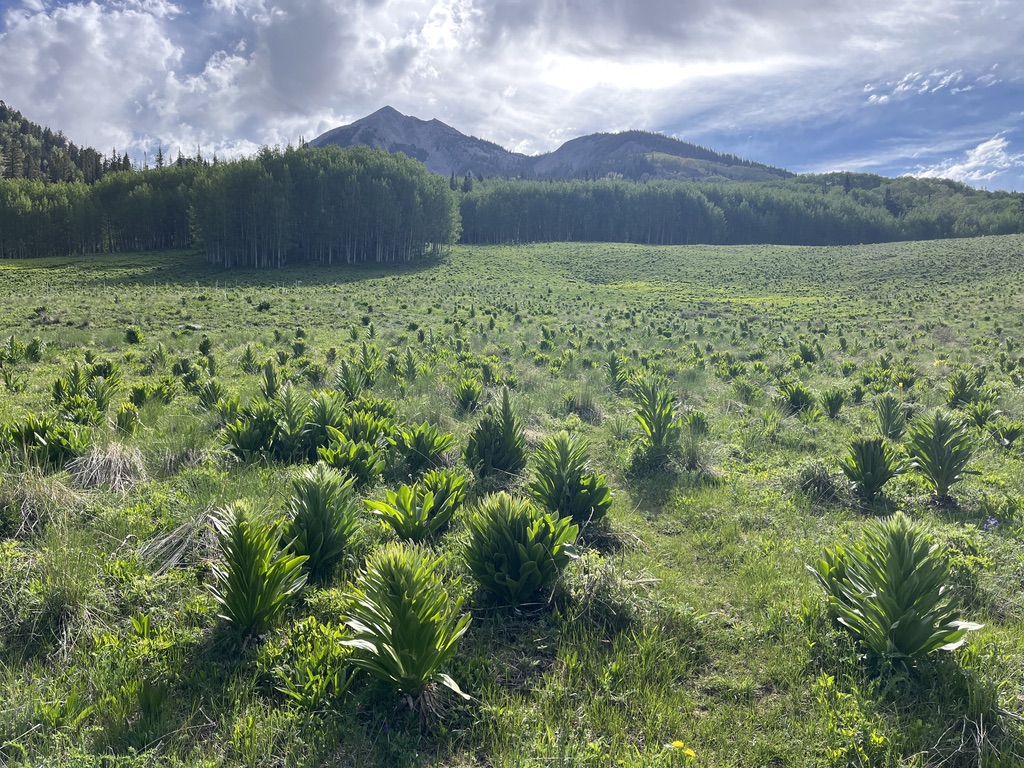
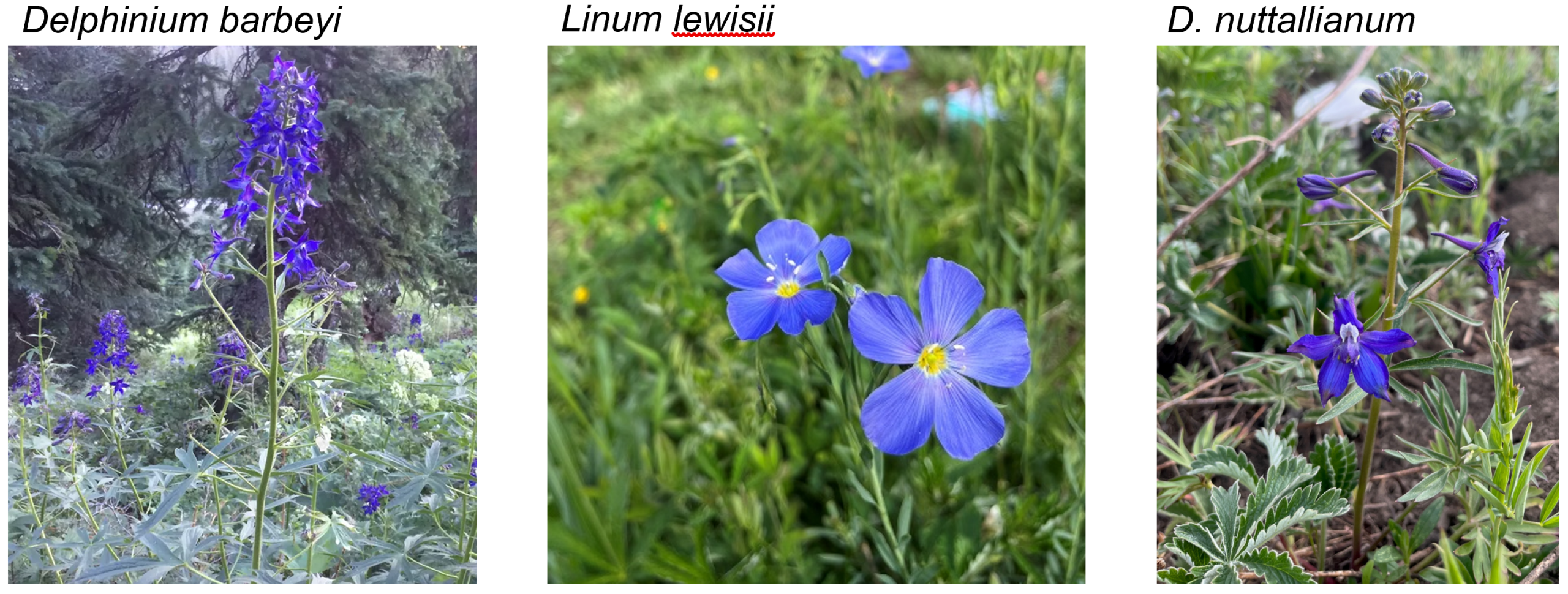
To test their hypothesis, Amy and Dylan set up an experiment that manipulated the timing of snowmelt. They chose a field site in a Rocky Mountain meadow. This site contained a mix of many plant species, and they focused on three: two-lobe larkspur (Delphinium nuttallianum), tall larkspur (D. barbeyi), and Lewis flax (Linum lewisii).
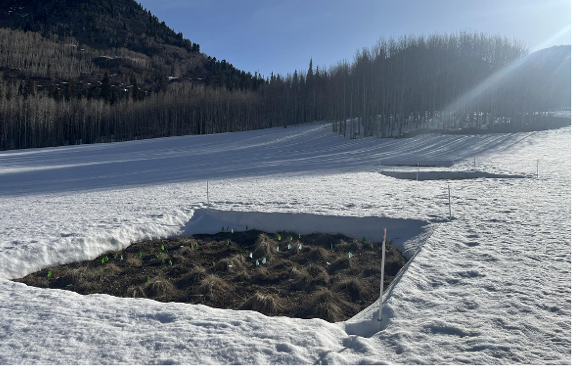
Like the surrounding landscape, the meadow was covered in snow over the winter. Amy and Dylan established 16 plots within the meadow. In the spring of 2025, they placed black tarps on half the plots. The tarp warmed in the sun and melted the snow under it. The tarps are removed as soon as bare ground is visible below the tarp. The snow in these ‘experimental’ plots melted two weeks earlier than the ‘control’ plots without tarps.
Amy and Dylan then tracked the development and flowering of plants in both plots. They recorded the first flowering date of each individual plant. For their data they converted calendar dates to day of year. They started with January 1 as Day 1 and continued to count up by one for each day. They predicted that plants in the experimental plots will flower earlier than plants in the control plots.
Featured scientists: Amy Iler (she/her) and Dylan Simpson (he/him) from the Chicago Botanic Garden
Flesch–Kincaid Reading Grade Level = 8.5
Additional Teacher Resources:
There is an additional Data Nugget, “Flowers chasing spring” about this research.