• Skip to primary navigation
  • Skip to main content
  • Skip to primary sidebar

Data Nuggets

Bringing authentic research and data into K-16 classrooms

  • Facebook
  • Twitter
  • RSS
  • email
  • Home
  • What are Data Nuggets?
    • HISTORY OF DATA NUGGETS
    • USING THE TEACHER GUIDE
    • DATA NUGGETS IN THE CLASSROOM
    • SCIENCE STANDARDS
    • PERMITTED USES
  • Current Data Nuggets
    • VIEW IN SEARCHABLE TABLE
    • BY MATH & SCIENCE CONCEPTS
    • VIEW ON MAP
    • DIGITAL DATA NUGGETS
    • DATAVERSIFY
    • DATA NUGGETS EN ESPAÑOL
  • MAKING A DATA NUGGET
    • FOR SCIENTISTS & AUTHORS
    • TELLING YOUR SCIENCE STORY
    • MEET THE SCIENTISTS!
  • Resources
    • PROFESSIONAL DEVELOPMENT
    • MATH & SCIENCE CONCEPTS
    • DATASETS & VISUALIZATION TOOLS
    • OTHER EDUCATION WEBSITES
  • Research & News
    • PUBLICATIONS & FUNDING
    • DATA NUGGETS BLOG

environment

10.1.26

Bringing the heat

The activities are as follows: Climate change is causing Earth’s average temperature to rise, but warming is not the only change happening. Climate change can affect many parts of an ecosystem at the same time. For example, in the Rocky Mountains, temperatures are getting warmer, and the climate is also getting drier. This means that

Continue reading

8.21.26

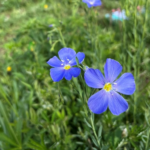
Flowers chasing spring

How does a plant know when to make a flower? Their phenology, or seasonal timing of growth and reproduction, can be driven by many things. When the weather warms in the spring, many plants start to make flowers when temperatures are just right. Other plants follow the number of hours with sunlight. In one very particular

Continue reading

Site Navigation

  • New to Data Nuggets?
  • For Educators
  • For Scientists
  • Find a Data Nugget
  • Make your own Data Nugget
  • Permitted Uses

Search the site

Data Nuggets by theme

adaptation agriculture algae animals arctic behavior biodiversity birds carbon chemistry climate change community science competition disturbance DNA ecology environmental evolution fertilization fish genes greenhouse gasses herbivory insects invasive species long-term marine mating microbes mutualism nitrogen parasitism phosphorus photosynthesis plants prairie predation restoration soil substrate temperature tradeoff urban water wetland

Copyright © 2026

  • National Science Foundation logo
  • Michigan State University logo
  • Kellogg Biological Station logo