


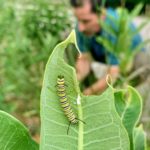
The activities are as follows: With their orange wings outlined with black lines and white dots, monarch butterflies are one of the most recognizable insects in North America. They are known for their seasonal migration when millions of monarch butterflies migrate from the United States and Canada south to Mexico in the fall. Then, in the spring
animals
Round goby, skinny goby
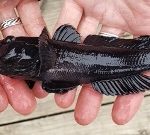
The activities are as follows: Teacher Guide Student activity, Graph Type A, Level 3 Student activity, Graph Type B, Level 3 Student activity, Graph Type C, Level 3 Full dataset available Grading Rubric Animals often have adaptations, or traits that help them live in certain environments. For fish, that can mean having a body shape that
Trees and bushes, home sweet home for warblers
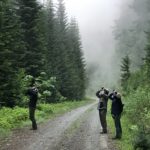
The activities are as follows: The birds at a beach are very different from those in the forest. This is because each bird species has their own set of needs that allows them to thrive where they live. Habitats must have the right collection of food to eat, places to shelter and raise young, safety from predators, and the
Blinking out?
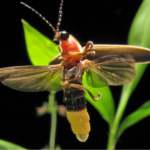
The activities are as follows: The longest surveys of fireflies known to science was actually started by accident! At the Kellogg Biological Station Long-Term Ecological Research Site, scientists work together to answer questions that can only be studied with long-term data. Their focus is to collect data in the same way over many consecutive years to look
Spiders under the influence
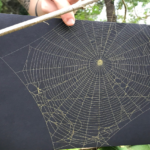
The activities are as follows: People use pharmaceutical drugs, personal care products, and other chemicals on a daily basis. For example, we take medicine when we are sick to feel better, and use perfumes and cologne to make ourselves smell good. After we use these chemicals, where do they go? Often, they get washed down our
Crunchy or squishy? How El Niño events change zooplankton
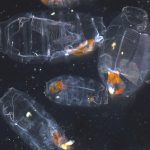
The activities are as follows: El Niño events happen every 5 to 10 years and take place in the Pacific Ocean. El Niño occurs when the winds that blow west over the equator temporarily weaken, and even switch direction. This allows warm surface waters that typically pile up on the western side of the Pacific Ocean to
Candid camera: Capturing the secret lives of carnivores
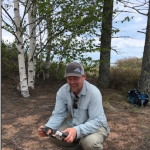
The activities are as follows: Carnivores, animals that eat meat, captivate people’s interest for many reasons – they are charismatic, stealthy, and can be dangerous. Not only are they fascinating, they’re also ecologically important. Carnivores help keep prey populations in balance. They often target old, sick, or weak individuals. This results in more resources for healthier
Picky eaters: Dissecting poo to examine moose diets
When you eat at a restaurant, do you always order your favorite meal? Or do you like to look at the menu and try something new? Humans have so many meal options that it can be hard to decide what to eat, but we also have preferences for certain food over others. Animals have fewer
Hold on for your life! Part II
In Part I the data showed that, after the hurricanes, anole lizards had on average smaller bodies, shorter legs, and larger toe pads. The patterns were clear and consistent across the two islands, indicating that these traits are adaptations shaped by natural selection from hurricanes. At this point, however, Colin was still not convinced because
Hold on for your life! Part I
The activities are as follows: On the Caribbean islands of Turks and Caicos, there lives a small brown anole lizard named Anolis scriptus. The populations on two small islands, called Pine Cay and Water Cay, have been studied by researchers from Harvard University and the Paris Natural History Museum for many years. In 2017, Colin, one of the