


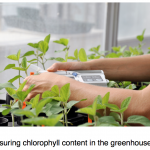
The activities are as follows: Teacher Guide Student activity, Graph Type A, Level 3 Student activity, Graph Type B, Level 3 Student activity, Graph Type C, Level 3 Grading Rubric When two species do better when they cooperate than they would on their own, the relationship is called a mutualism. One example of a mutualism is the
News & Events
Fair traders or freeloaders?
Cheaters in nature – when is a mutualism not a mutualism?
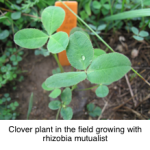
The activities are as follows: Teacher Guide Student activity, Graph Type A, Level 4 Student activity, Graph Type B, Level 4 Student activity, Graph Type C, Level 4 Scientist Profile Grading Rubric Mutualisms are a special type of relationship in nature where two species work together and both benefit. Each partner trades with the other species, giving
Dangerously bold
The activities are as follows: Teacher Guide Student activity, Graph Type A, Level 1 Student activity, Graph Type B, Level 1 Student activity, Graph Type C, Level 1 Grading Rubric Digital Data Nugget on DataClassroom Just as each person has her or his own personality, animals of the same species can behave very differently from one another!
Do invasive species escape their enemies?
The activities are as follows: Teacher Guide Student activity, Graph Type A, Level 2 Student activity, Graph Type B, Level 2 Student activity, Graph Type C, Level 2 Grading Rubric Invasive species, like zebra mussels and garlic mustard, are species that have been introduced by humans to a new area. Where they invade they cause harm.
Do insects prefer local or foreign foods?

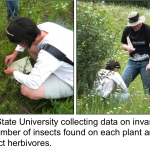
The activities are as follows: Teacher Guide Student Activity, Graph Type A, Level 2 Student Activity, Graph Type B, Level 2 Student Activity, Graph Type C, Level 2 Grading Rubric STATISTICS EXTENSION – Data Worksheet – Student Activity Digital Data Nugget on DataClassroom Insects that feed on plants, called herbivores, can have big effects on how
Data Nuggets: Small activities with big impacts for students
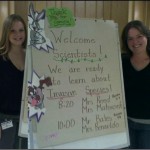
See the original article on the LTER webpage (reproduced below) The landscape of science education is undergoing a fundamental shift. Updated standards, to be followed by all science teachers in Michigan, emphasize that science is an active process: instead of the memorization of facts in textbooks, students should be taught the ability to generate new knowledge
BEACON Researchers at Work: Addressing the Next Generation Science Standards
This post is by MSU postdocs Liz Schultheis and Melissa Kjelvik. See the original article on the BEACON webpage (reproduced below): The current landscape of K-12 science education is shifting – moving away from memorization of science facts to an approach based on the scientific method where students are taught quantitative skills and how to construct arguments from evidence. These