



Revealing the mechanisms behind sex differences in aging.
In many species across the animal kingdom, one sex ages slower than the other, or has a longer lifespan. This sex-specific aging has significant implications for conservation, agriculture, and human health. However, no unified model exists that reveals how mechanistic and evolutionary processes cause the diverse patterns of sex-specific aging seen in nature.
IISAGE – Integration Initiative: Sex, Aging, Genomics, and Evolution – is a Biology Integration Institute whose goal is to determine how genome architecture, organismal biology, and phenotypic plasticity contribute to sex-specific aging and its evolution.
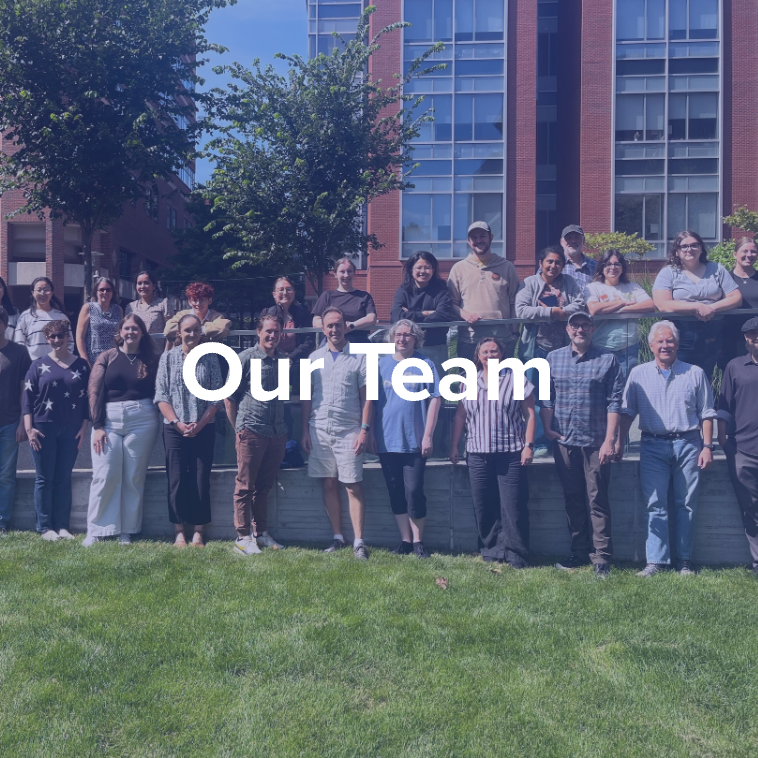
To learn more about the people behind IISAGE, check out these scientist profiles!
- Calvin Belton
- Peggy Biga
- Anne Bronikowski
- Rich Meisel
- Eric Randolph
- Nicole Riddle
- Jamie Walters
- Gerald Wilkinson
The following Data Nuggets are made from IISAGE research and data.
| Title | Featured Scientists | Content Level | Summary | |
|---|---|---|---|---|
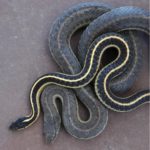 | Live fast, die young? | Kaitlyn Holden and Anne Bronikowski | 3 | Garter snakes are a common sight across North America, but one small species in Northern California has helped scientists learn a lot about how animals adapt to their environment. Since 1972, scientists have been studying two ecotypes – one that lives in mountain meadows and one by lowland lakes. Scientists wanted to know, have these ecotypes evolved unique life history strategies in response to their environments? |
 | The chromosome advantage | Nicole Riddle and Jamie Walters | 3 | Many factors affect lifespan, or how long an organism lives. Different species, and individuals within a species, will all live to different ages. Across species, things like body size, rate of metabolism, and genetics can all come into play. Scientists wondered if having two different sex chromosomes might affect lifespan. |
 | Time flies when you turn up the heat | Richard Meisel lab | 3 | Aging is a natural process that happens in all living things. As organisms get older, their cells and DNA slowly become damaged. Some of this wear and tear happens naturally as cells do their jobs. Other damage can be brought on by stressful environmental conditions. Richard, along with members of his lab, wanted to look at how temperature affects development time and lifespan in males and females. He is curious if that could be one reason individuals of the same species live longer than others. |